


 Account
 Wishlist


Intro to sake
Sake, pronounced “sah-keh,” is a Japanese alcoholic beverage made from fermented rice. In Japan, sake is a general term for any alcoholic beverage, and what Westerners know as sake actually refers to “nihonshu,” the traditionally brewed and fermented drink. Sake is a category of its own with a unique brewing process and over 10,000 variations. Here we look at the brief history of sake, how it’s made and the unique regionality of Japan that influences the variety of sake we enjoy today.
History of sake

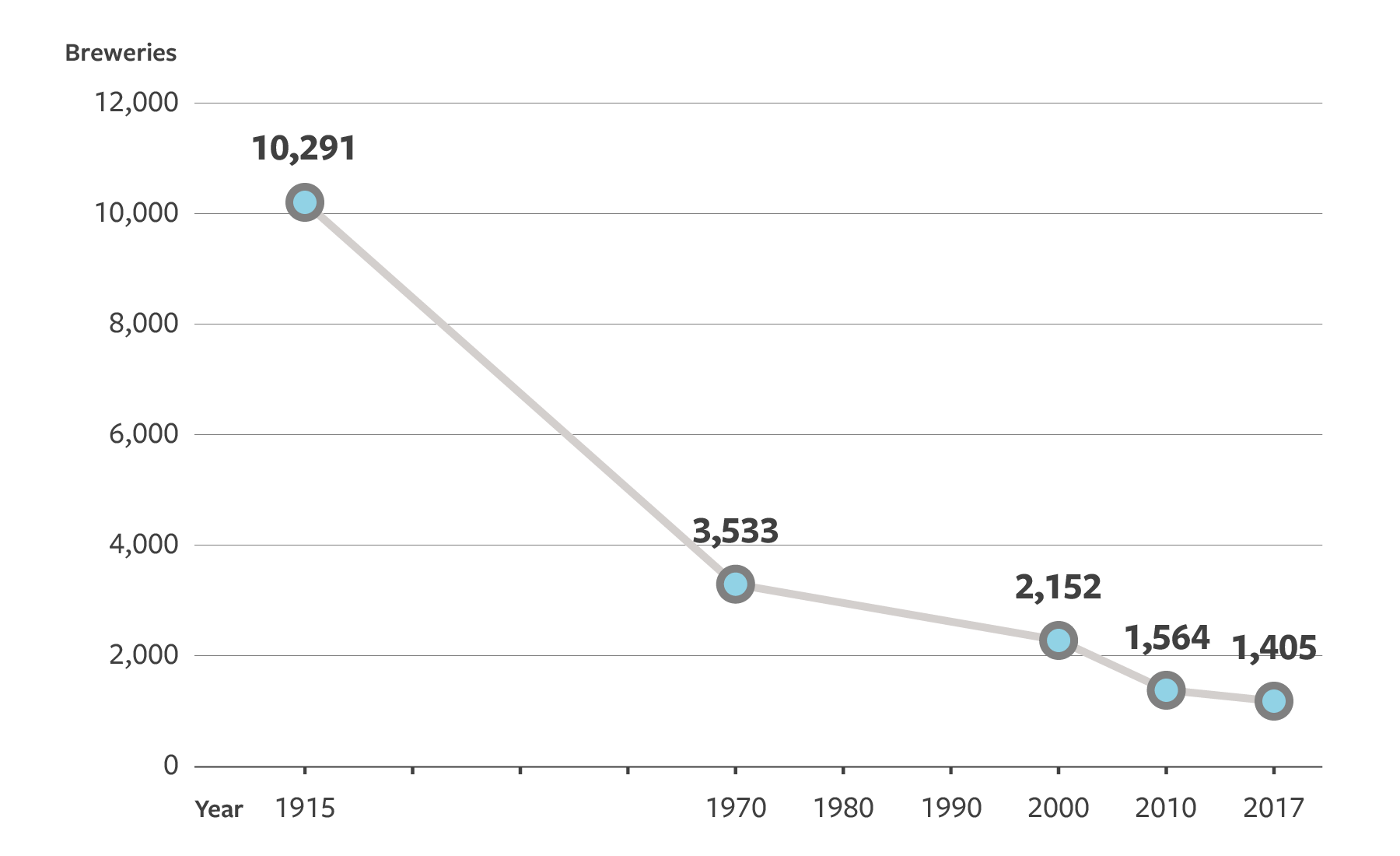
Now listed by UNESCO as an intangible cultural heritage of humanity, Japanese sake goes back approximately 2,000 years, when rice farming came from China. Since then, rice has been a staple in Japanese cuisine, and sake, which was originally used to celebrate rice harvests, is enjoyed with unique food cultures developed in each region of Japan. At its peak in the 19th century, there were over 20,000 sake breweries in Japan, but the number has declined to what is now just over 1,400 breweries due to war, government restructuring and the modernization of Japanese consumer culture.
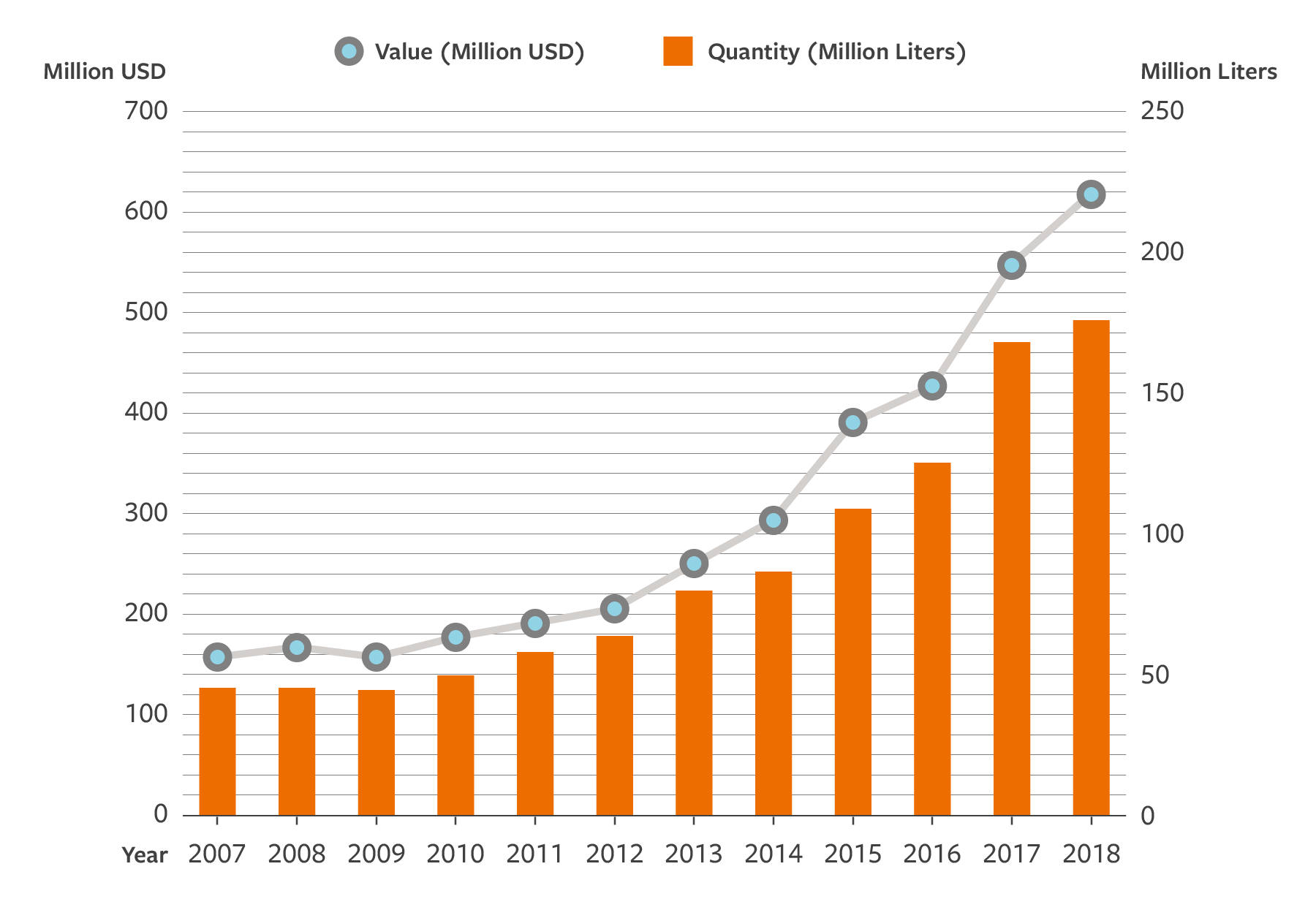
Sake, however, is not lost in Japan or around the world. In fact, trends are showing that the demand for more premium products is compelling breweries to specialize in higher-quality sake, as well as experiment with new styles and flavors, hence the growth of different categories of sake. These days, breweries are producing sparkling and flavor-infused sake, as well as other bottles designed to appeal to wine drinkers and pair more suitably with global cuisine.
Sake ingredients and brewing
There are four ingredients to make sake: rice, water, yeast and koji. Brewer’s alcohol can be added to achieve a certain mouthfeel, but this is optional.
Special rice called “sakamai” is used for making sake and is prepared through rice polishing. Even the quality of water differs within each region of Japan, and its minerality influences the speed of fermentation. Yeast contributes to the aroma of sake. Some strains of yeast are unique to the individual brewery or to the regions, and some are developed by the prefecture. The fourth ingredient, koji, is the mold that is carefully distributed over the rice to convert the starches to sugar. All of these factors shape the unique taste profiles of each sake.
Do you have a restrictive diet? Browse our blog for more information about sake ingredients, like whether or not it’s gluten-free or vegan.

Sake requires the extensive skills of brewers to control the delicate environment throughout the production process. Every detail — from selecting the right combination of ingredients to polishing, washing and steaming the rice, and closely monitoring the progress of fermentation — plays into the taste, aroma and appearance of the final product.

Sake is often called rice wine because like wine, it features unique variations of flavors with subtle aromas, and can be enjoyed in a wine glass. In reality, the sake brewing process has more in common with beer production. However, sake brewing is much more complex and requires a process called multiple parallel fermentation to drive the conversion of starch to sugar and sugar to alcohol simultaneously (not sequentially as is the case with beer).

The misperception of sake being hard liquor stems from the harsh, throat-burning sensation one might taste when drinking cheap, overheated sake. This sensation is usually a result of serving sake at extreme temperatures, which is not suitable for the sake as it loses the balance of flavors. The average alcohol content for sake is 15% to 16% ABV, which rates high among fermented drinks, but not to the level of hard liquor.
Regional craftsmanship

Having been managed by the owner’s family from generation to generation, many breweries have a long history dating back a few hundred years. The craftsmanship and skills of brewmasters, called “toji,” have been carefully developed and passed down, shaping the unique flavor profiles of each brewery in each region. This is a major reason why the sake of each region pairs naturally with the local food. Thanks to the abundance of natural ingredients from the sea and the mountains, and the distinct climate differences in each season, sake delivers diverse flavor characteristics that highlight the wide range of Japanese food culture.
How to drink sake
Part of what makes sake fun is the many ways it can be enjoyed. It can be drunk over ice or heated up, served in a wine glass or a more traditional earthenware cup. How you drink a particular sake depends on the style of sake it is and what food you’re pairing it with. Just one bottle of sake can present you with many options. Our blog is full of information on these topics, such as how to drink sake with the right cup.
How to serve sake
In addition to figuring out what type of glass or cup to use, there are other aspects of etiquette or custom to consider. A sake carafe or “tokkuri” is often used — especially with warm sake — to hold the liquid that will be poured. If using a “masu” (a boxy, wooden sake cup) to serve your guests, do it “mokkiri” style by placing a small glass in the masu and overflowing the glass so that it spills over into the wooden cup. This demonstrates hospitality and generosity. Read our other Sake Guide lessons for more information about sake etiquette, as well as instructions for cooling and heating your sake.
Types of sake
Standing in the sake aisle of your local Japanese grocery store can be a bit intimidating if you don’t know anything about sake categories. What on earth is the difference between a junmai and a junmai ginjo? Get to know these terms by reading our Types of Sake lesson. You’ll learn how rice polishing ratio, ingredients and method determine a sake’s category, as well as what that means for its taste. After that, it’ll be much easier for you to find what you like!

Sake 101: Five frequently asked questions
Now that you have a little background knowledge about sake, let’s take a look at alcohol content, taste and other basic principles.
How much alcohol is in sake?
In order to be officially considered sake under Japanese law, the beverage must meet certain requirements regarding ingredients, pressing and filtration, and alcohol content. Sake’s alcohol percentage must be between 1% and 22%. This means sake ABV can be greater than the ABV of both beer and wine. Average sake alcohol content is around 15% or 16%.
Sweet or dry? What does sake taste like?
Sake flavor profiles range from sweet to dry, light to full-bodied. Several factors influence what sake tastes like, including but not limited to rice type, water source and serving temperature. Yamadanishiki rice, for example, can be used to express fine, elegant and refined flavors, while Omachi rice is optimal for creating earthy tones. Hard water, which is water with high mineral content, typically yields stronger-tasting sake. Soft water, on the other hand, usually results in a light and clean taste. Chilling sake enhances its crisp taste, while warming it can mellow and expand the flavors.
At Palate Project, each sake product page features tasting notes so you can pick sake that matches your preferences. Recommended serving temperatures and food pairings are also listed to help you better enjoy your sake.
What color is sake?

Sake is usually clear, but there are exceptions. Sake color can be affected by aging, flavoring and filtration. “Koshu,” or intentionally aged sake, can develop a straw or amber color. However, if sake is not koshu and its color has changed since you purchased it, it is a sign that something may be wrong with it. See “Does sake go bad?”
Sake that has been infused with a specific flavor, like yuzu sake, can take on the visual characteristics of that fruit: yellow, in the case of yuzu. Palate Project’s flavored collection also includes strawberry sake, which has a pinkish hue. Additionally, there is a type of sake called nigori that by definition has a cloudy, milky-white color. This is because it is not as finely filtered as other types of sake, and still contains lees from the brewing process.
What's the average size of sake bottles?

There are a few different sake bottle sizes available, but the most common is 720 milliliters. Other sake bottle sizes on the market include 750 milliliters and 1.8 liters. Our signature product, The Sake Flight, includes three small, expertly selected 300-milliliter bottles so you can sample different sake styles and compare. If you’re looking for something casual that provides an experience similar to a beer can, 180-milliliter cup sake is also available.
How much is sake and how is it priced?
Like wine, sake prices can range from less than $20 to thousands. The cost of a sake bottle depends on various factors, such as the amount of rice, skill and labor needed to make it. Rice polishing ratio (RPR), which indicates how much of the rice grain has been milled away prior to brewing, is usually a reliable price indicator. The more the rice grains are milled, the less rice there is to work with, so breweries have to compensate by using huge amounts of rice, which costs more money. This is why daiginjo sake, which has an RPR of 50% or less, is considered premium and is priced accordingly. Also, as with any aged alcohol, koshu sake tends to cost more.
- Shop best sake gifts under $75
- Shop best sake gifts under $150
- Shop best sake gifts under $250
- Shop best luxury sake
How to find your sake

If you’re new to the wonderful world of sake, it can be difficult to know where to start. Each type of sake has its own special characteristics to offer. The Sake Flight is the perfect place to start. It provides you with an expertly guided home tasting experience complete with three different sake mini-bottles, ochoko cups and easy-to-understand educational materials. From there, you can continue exploring the style of sake you like best!
What is the best sake for beginners?
The best sake for beginners all depends on your personal preferences. Check out our Sake Guide lesson on the best bottles and brands for beginners. This is a thorough list of recommendations based on taste, occasion, price range and which bottles are most popular with our customers. But here’s a tip to get you started: You can’t go wrong with Dassai “45,” our No. 1 bestseller.
One question with many answers
Sake is more than a beverage — it’s an epic tale thousands of years in the making. In one sip, you’ll experience tradition, craftsmanship and delicious flavors that transcend cultures. You’ll be surprised how versatile and dynamic Japan’s national drink is.
References:
- *1 “How Japanese sake connect to the future,” Sadamu Sasaki, 2012
-
“Number of breweries,” Japan Sake Shochu Makers Association
National Tax Bureau - *2 Nippon.com, “Sake Exports Sparkle, Setting New Record in 2018,” Feb 20, 2019.
Author
Palate Project
Palate Project is the largest online sake seller in the U.S. We make it easier to access, understand and enjoy sake in everyday American life. It’s fresher sake with better guidance. Explore our Direct Imports collection for exclusive bottles handpicked by our experts in Japan.


